
Life can feel beautiful one day and unbearably complicated the next. We experience love and loss, success and failure, hope and disappointment. We make plans, face unexpected changes, hold on to things we care about, and sometimes struggle to understand why certain experiences are happening to us.
The teachings associated with Buddha offer a different way of looking at these experiences.
Rather than promising a life without difficulty, Buddhist teachings encourage us to understand suffering, examine the mind, practice compassion, accept change, and loosen our attachment to things we cannot keep forever. The Dhammapada, one of the best-known collections of Buddhist teachings, repeatedly returns to the importance of the mind, ethical conduct, self-control, and freedom from hatred and attachment.
The Buddha quotes on life in this collection are meant to be more than words to read and forget. Each one offers an opportunity to pause, reflect, and consider how its wisdom might apply to your own life.
A note about attribution: Many sayings circulating online are attributed to Buddha without a reliable source. The quotations below focus primarily on passages found in recognized Buddhist texts, particularly the Dhammapada, with wording based on published translations. English translations naturally vary.
Buddha Quotes on Life
Buddhist wisdom often approaches life by asking us to look carefully at our own minds and actions. Instead of searching only for circumstances that will make us happy, we are encouraged to understand how our thoughts, desires, reactions, and attachments influence the way we experience the world.
Here are some meaningful passages to reflect on.
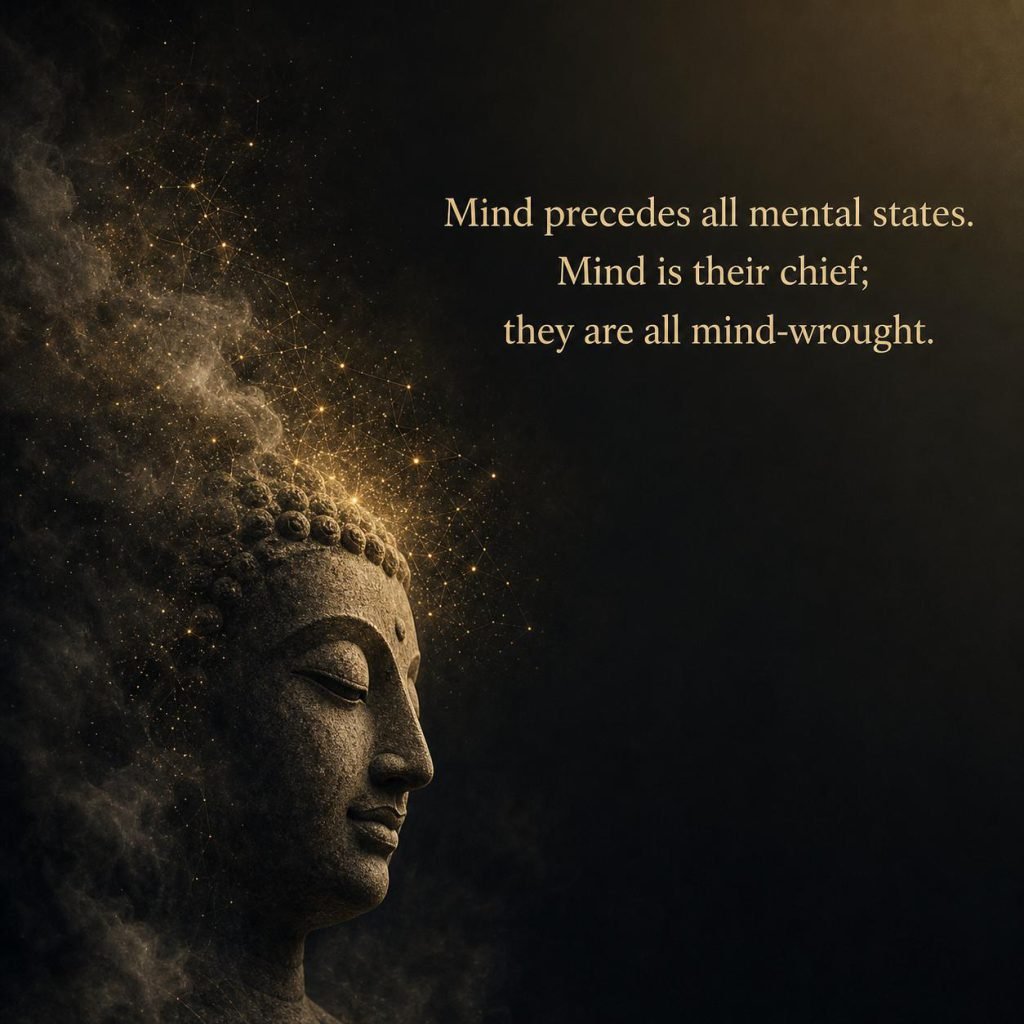
“Mind precedes all mental states. Mind is their chief; they are all mind-wrought.”
— Dhammapada, verse 1, translated by Acharya Buddharakkhita
This teaching places considerable importance on the mind. Our circumstances matter, but so does the way we interpret and respond to them.
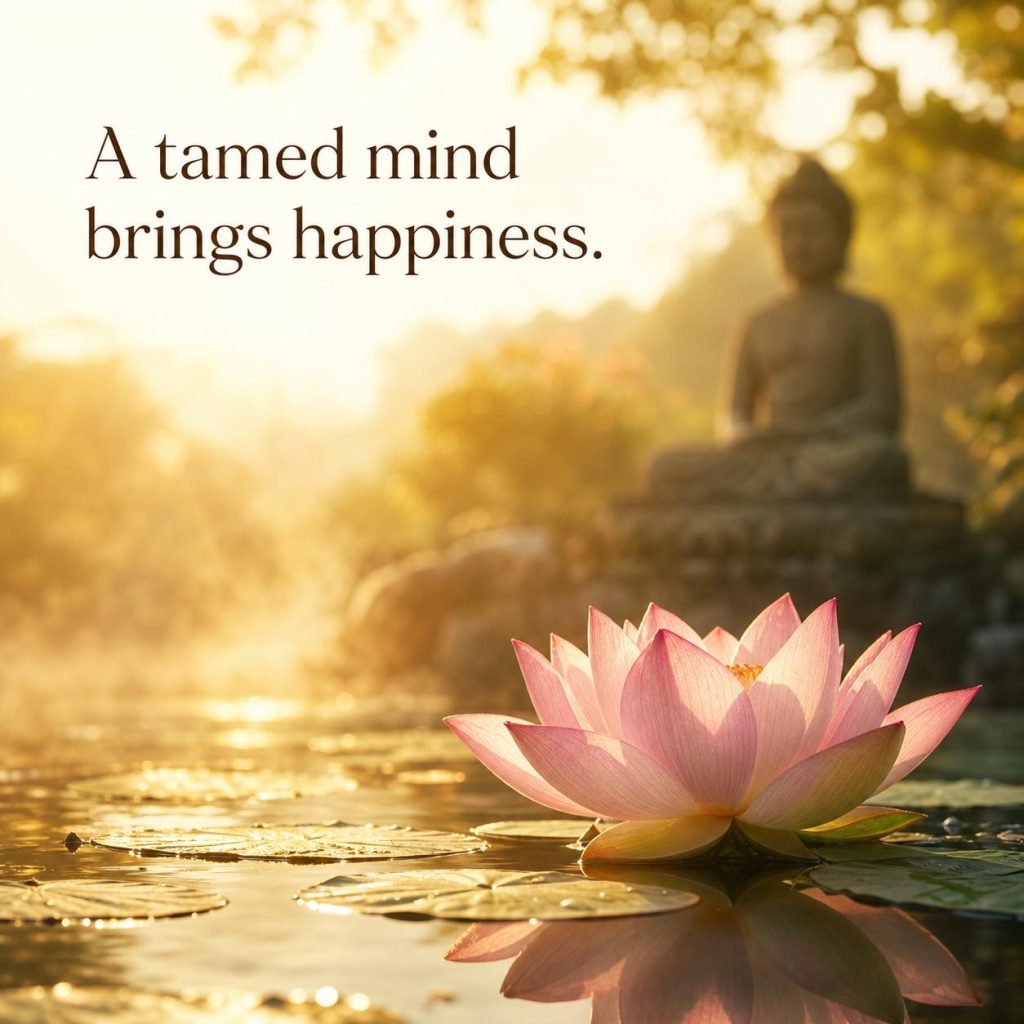
“A tamed mind brings happiness.”
— Dhammapada, verse 35
A peaceful life does not necessarily begin with having everything go according to plan. It can begin with learning to understand and guide the mind.
“A guarded mind brings happiness.”
— Dhammapada, verse 36
The idea is not to suppress every thought or emotion. It is to become more aware of what we allow to control our actions.
“Whatever an enemy may do to an enemy, or a hater to a hater, an ill-directed mind inflicts on oneself a greater harm.”
— Dhammapada, verse 42
This is a powerful reminder that resentment can become its own burden.
“Neither mother, father, nor any other relative can do one greater good than one’s own well-directed mind.”
— Dhammapada, verse 43
The message is not that relationships are unimportant. Rather, it points toward the responsibility each person has for cultivating a wholesome and disciplined mind.
What these teachings suggest about life
Taken together, these passages encourage us to look inward without becoming self-absorbed. They suggest that a meaningful life involves learning how our minds work and becoming more intentional about what we think, say, and do.
That is one reason Buddhist wisdom continues to resonate with people facing ordinary modern problems. The circumstances change, but questions about anger, attachment, fear, happiness, and inner peace remain remarkably familiar.
Buddha Quotes on Life Struggles
Life struggles are part of being human. We lose people we love. Plans fail. Relationships change. Work becomes stressful. We sometimes face circumstances we would never have chosen.
Buddhist teachings do not pretend these experiences are easy.
Instead, they invite us to look more closely at suffering and at the ways our reactions can sometimes add another layer of pain.
“Those who harbor such thoughts do not still their hatred.”
— Dhammapada, verse 3
The surrounding verses describe the tendency to keep replaying thoughts of how another person has wronged us. The teaching points toward the importance of releasing that cycle rather than continually feeding it.
“Hatred is never appeased by hatred in this world. By non-hatred alone is hatred appeased.”
— Dhammapada, verse 5
This does not mean allowing harmful behavior or refusing to establish boundaries. It means recognizing that responding to hatred with more hatred can keep the cycle alive.
“All tremble at violence; all fear death.”
— Dhammapada, verse 129
The teaching encourages us to recognize the vulnerability we share with other people. We may have different lives, beliefs, personalities, and circumstances, but the desire to avoid suffering is something we have in common.
When life feels unfair
One of the hardest parts of struggling is the feeling that life should have been different.
We may think:
This shouldn’t have happened.
I didn’t deserve this.
Why did this happen to me?
Those questions are understandable. But continually fighting the reality of what has already happened can create another kind of suffering.
Acceptance does not mean approving of everything that happens. It means seeing reality clearly enough to decide what to do next.
That distinction can be deeply useful during difficult seasons.


Short Buddha Quotes on Life
Sometimes a short sentence is enough to create a moment of reflection.
Here are a few concise passages from Buddhist texts that can serve as reminders throughout the day.
“A tamed mind brings happiness.”
“A guarded mind brings happiness.”
“Hatred is never appeased by hatred.”
“All tremble at violence.”
“Life is dear to all.”
“The good control themselves.”
“From craving arises grief, from craving arises fear.”
— Dhammapada, verse 216
These short passages can work particularly well as daily reminders because they leave room for your own reflection.
Instead of asking only, “What does this quote mean?”, try asking:
“Where does this idea appear in my life today?”
That question turns a quotation into a personal practice.
Buddha Quotes on Peace
Peace is one of the most enduring themes associated with Buddhist practice.
But peace does not necessarily mean having a perfectly quiet life. Work will still demand your attention. People will still disappoint you. Plans will still change.
The deeper question is whether your mind must become as turbulent as the circumstances around you.
“A tamed mind brings happiness.”
— Dhammapada, verse 35
The teaching places peace partly within the work of understanding and training the mind.
Another important Buddhist teaching concerns anger and retaliation.
“Never indeed is hatred stilled by hatred; it will only be stilled by non-hatred.”
— Dhammapada, verses 4–5
This is not an instruction to ignore injustice. It is a reminder that hatred can perpetuate itself when every injury produces another angry response.
Peace begins with how we respond
Imagine receiving a message that makes you angry.
Your first reaction might be immediate. You may want to respond just as sharply.
But there is a small space between feeling anger and acting on it.
That space matters.
Taking a breath, waiting before responding, and asking what outcome you actually want can prevent one painful moment from becoming a much larger conflict.
Buddhist teachings repeatedly emphasize restraint, awareness, and the consequences of our actions.
Peace does not mean passivity
Inner peace should not be confused with tolerating everything.
You can walk away from an unhealthy relationship and still refuse to carry hatred.
You can disagree with someone without wishing them harm.
You can establish boundaries without turning your heart toward revenge.
Peace is not weakness. It can require considerable strength and self-control.


Buddha Quotes About Life and Love
Love can bring some of life’s greatest happiness, but it can also expose us to fear, disappointment, jealousy, and loss.
Buddhist teachings approach love alongside ideas such as compassion, attachment, craving, and suffering.
“All tremble at violence; life is dear to all.”
— Dhammapada, verse 130
At its heart is an invitation to recognize that other people experience fear and pain just as we do.
Love and compassion
Compassion asks us to see another person’s humanity.
When we remember that the person in front of us also experiences fear, disappointment, grief, and hope, it becomes easier to respond with patience.
That does not mean agreeing with everything someone does. Compassion and boundaries can exist together.
Love and attachment
One of the more challenging aspects of Buddhist thought is its examination of attachment.
We naturally want the people we love to remain close to us. We want relationships to stay the same. We want good experiences to continue.
But life changes.
People change. Circumstances change. Relationships change.
Understanding impermanence can therefore make love more conscious rather than less meaningful. It reminds us to appreciate people while they are part of our lives rather than treating their presence as something we are guaranteed forever.
Love without possession
Healthy love does not require controlling another person.
We can care deeply while recognizing that another human being has their own choices, experiences, and path.
That perspective can make relationships more compassionate and less dominated by fear.
Buddha Quotes on Life Lessons
The value of a quotation often becomes clearer when we connect it with a lesson we can actually use.
Here are several important life lessons reflected in Buddhist teachings.
1. Your mind deserves your attention
The Dhammapada begins by emphasizing the importance of the mind and repeatedly returns to the need to train and guard it.
This is a useful reminder in an age when our attention is constantly being pulled in different directions.
You do not have to believe every thought that enters your mind.
You can notice a thought without acting on it.
You can experience anger without becoming anger.
You can feel fear without allowing fear to make every decision.
That small distinction can change how you move through difficult situations.
2. Hatred rarely solves what created it
The Dhammapada’s teaching that hatred is not overcome by more hatred is one of its clearest lessons about conflict.
In everyday life, this can mean refusing to turn every disagreement into a battle.
It can mean ending an argument before words become deliberately hurtful.
It can mean choosing distance instead of revenge.
And sometimes it means forgiving someone without inviting them back into your life.
3. Life is fragile
The Dhammapada uses the image of the body being as fragile as a clay pot.
This isn’t meant simply to be gloomy.
Awareness of life’s fragility can make the present more meaningful.
Call the person you love.
Pay attention to the meal in front of you.
Spend time with people who matter.
Do the work that has meaning to you.
Life does not become less valuable because it is temporary. Its temporary nature is part of what makes it precious.
4. Letting go is different from giving up
Letting go can sound passive, but it isn’t.
You can let go of an expectation while continuing to work toward something important.
You can let go of resentment while still holding someone accountable.
You can let go of the past while still learning from it.
You can let go of the need to control another person’s choices while continuing to care about them.
This is a much more useful understanding of letting go than simply telling yourself to “move on.”
5. Your actions matter
Buddhist teachings place considerable emphasis on conduct, intention, and the consequences of actions. The Dhammapada’s broader teaching encourages people to avoid harmful actions, cultivate good, and purify the mind.
That makes Buddhist wisdom practical.
A meaningful life isn’t built only through what we believe.
It is also built through what we repeatedly do.
How we speak to people matters.
How we respond when angry matters.
How we treat people who cannot benefit us matters.
What we do when nobody is watching matters.
6. Compassion begins with recognizing our shared humanity
The teaching that all beings fear violence and value life encourages us to put ourselves in another person’s place.
This is a simple idea with enormous implications.
Before judging someone, we can remember that we do not know every part of their story.
Before speaking harshly, we can remember that words can leave lasting wounds.
Before dismissing another person’s suffering, we can remember how vulnerable we feel when we are hurting.
Compassion does not require us to understand everything about another person.
It begins with recognizing that their experience matters.
Buddha Quotes About Happiness and Contentment
Modern life often encourages us to think of happiness as something we obtain.
A better job.
A larger home.
More money.
A different relationship.
Another achievement.
Buddhist teachings invite us to examine that constant reaching.
The Dhammapada describes the mind as something that can be difficult to control and says that a trained mind brings happiness.
That suggests a different approach to contentment.
Instead of asking only:
“What else do I need?”
we can sometimes ask:
“What am I failing to appreciate because I am already thinking about what comes next?”
Contentment doesn’t mean abandoning ambition.
You can pursue meaningful goals while appreciating where you are now.
You can want change without believing that your life has no value until the change happens.
That balance can make ambition healthier and happiness less dependent on circumstances.
Buddha Quotes About Letting Go
Letting go is one of the most appealing ideas in Buddhist wisdom because so much of our suffering can involve things we cannot control.
We hold on to:
- Old arguments
- Past mistakes
- Lost relationships
- Unanswered questions
- Unrealistic expectations
- Other people’s opinions
- Fear about the future
The problem is that holding on can make the past feel permanently present.
Buddhist teachings connect craving and attachment with suffering. One traditional rendering of Dhammapada verse 216 states:
“From craving arises grief, from craving arises fear.”
Letting go does not require pretending that something never mattered.
It means recognizing that caring about something and controlling it are two different things.
You can miss someone without living entirely in the past.
You can regret a mistake without punishing yourself forever.
You can want an outcome without making your entire peace dependent on it.
You can love someone without believing you own their future.
That is a much gentler way to understand letting go.
Buddha Quotes for Reflection
The most useful quote may not be the one that sounds the most beautiful.
It may be the one that makes you stop.
The one that challenges you.
The one that makes you recognize a habit you have been repeating.
Here are a few passages worth returning to.
“A tamed mind brings happiness.”
Ask yourself:
What has been controlling my mind lately?
“Hatred is never appeased by hatred.”
Ask yourself:
Is there a conflict I am keeping alive by continuing to feed it?
“Life is dear to all.”
Ask yourself:
How might remembering our shared vulnerability change the way I treat others?
“A guarded mind brings happiness.”
Ask yourself:
What thoughts do I repeatedly allow to disturb my peace?
“From craving arises grief, from craving arises fear.”
Ask yourself:
What am I afraid of losing, and how much of my peace depends on keeping it?
These questions can turn reading into reflection.
How to Apply Buddha’s Wisdom to Everyday Life
Reading a meaningful quote can create a moment of inspiration. Practicing the idea is what allows it to become part of everyday life.
You don’t need to completely change your life to begin.
When you’re angry
Pause before responding.
Ask yourself whether your words will solve the problem or simply transfer your pain to someone else.
When you’re worried about the future
Bring your attention back to what you can actually do today.
You may not be able to control the outcome, but you can often control your next action.
When you’re struggling with the past
Ask what the experience can teach you.
Learning from something is different from continuing to live inside it.
When you’re holding on too tightly
Ask:
What would change if I stopped trying to control what isn’t mine to control?
When you’re feeling overwhelmed
Give your attention to one thing.
One breath.
One conversation.
One task.
One moment.
A mind that is constantly racing toward tomorrow can miss the life that is happening today.


When someone hurts you
Protect yourself if necessary.
Set boundaries if necessary.
But consider whether carrying hatred is helping you heal.
Choosing not to hate someone does not mean saying what happened was acceptable.
It means refusing to let their actions permanently occupy your mind.
A Simple Way to Reflect on One Buddha Quote
Choose one quote that speaks to you.
Write it somewhere you will see it.
Then ask yourself three questions:
- What does this quote mean to me?
- Where do I see this lesson in my life?
- What small action could I take today because of it?
You might discover that one sentence becomes more meaningful when you live with it for a week than a hundred quotes read in five minutes.
Wisdom is not measured by how many words we collect.
It is measured by how deeply we understand and practice what those words point toward.
A Few Buddha Quotes to Keep Close
If you want a small collection of Buddhist wisdom to return to, these passages offer several themes worth remembering:
“A tamed mind brings happiness.”
“A guarded mind brings happiness.”
“Hatred is never appeased by hatred.”
“Life is dear to all.”
“The good control themselves.”
“From craving arises grief, from craving arises fear.”
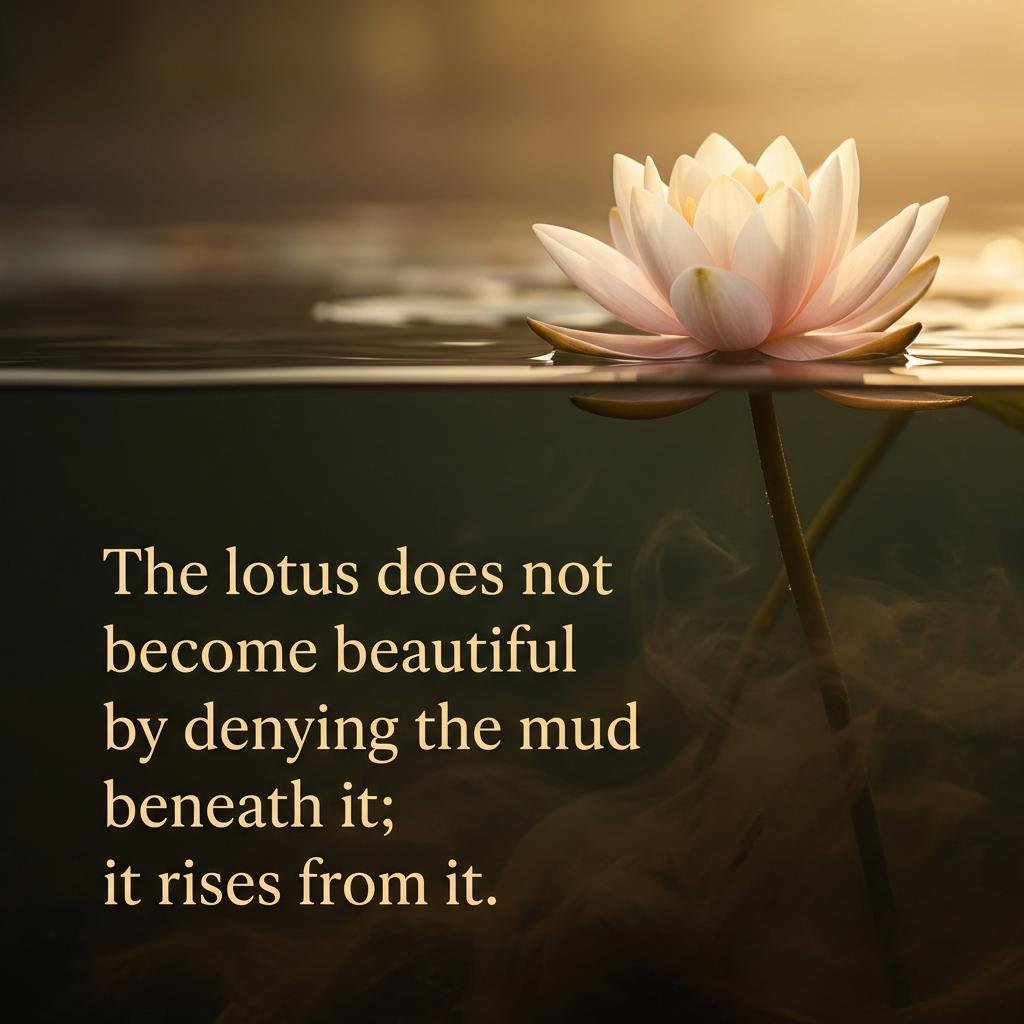
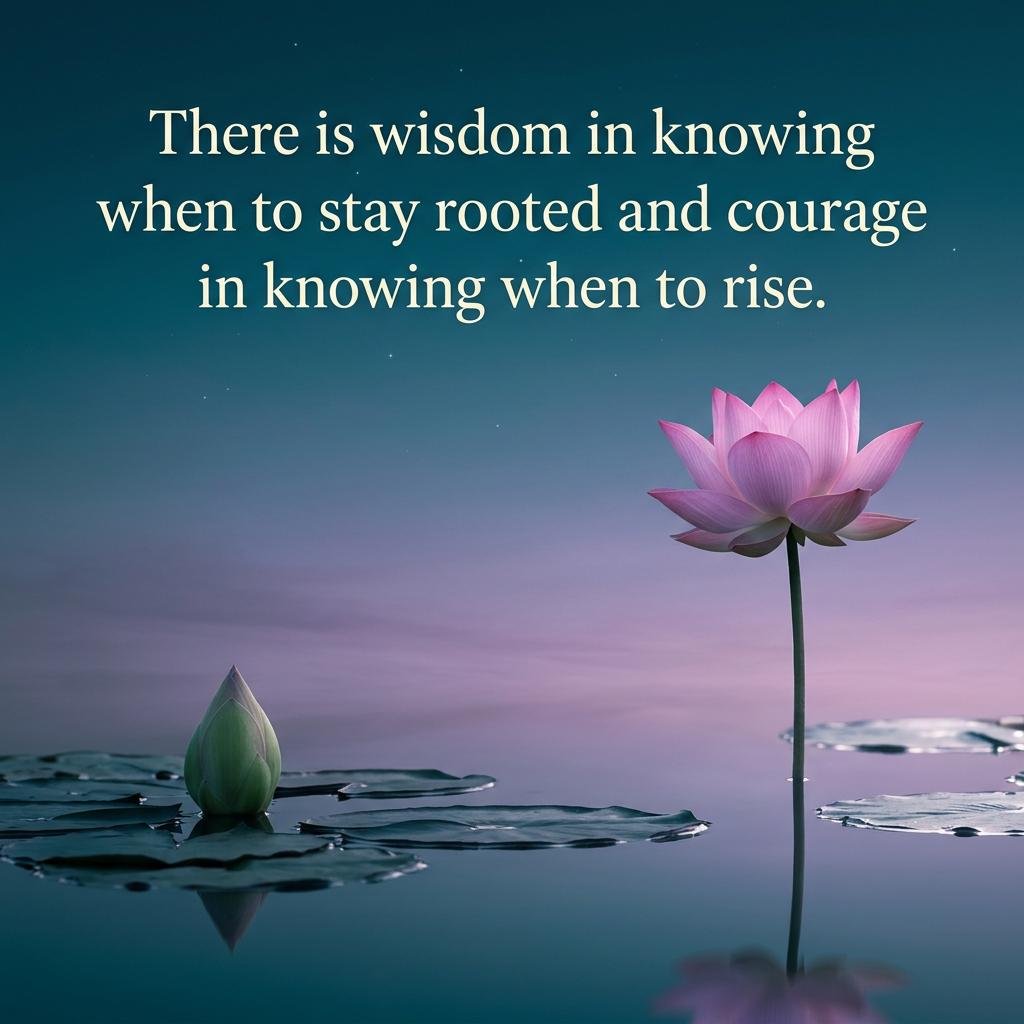
In Eastern philosophy, the journey through life’s challenges is beautifully illustrated by lotus quotes on rising above difficult waters and timeless wisdom on impermanence and life transitions.
“All tremble at violence; all fear death.”
Each points toward a different part of the human experience: the mind, happiness, anger, compassion, self-control, attachment, and our shared vulnerability.
You don’t need to memorize all of them.
Choose the one that speaks most clearly to the season of life you’re in.
Final Thoughts on Buddha Quotes on Life
The enduring appeal of Buddha’s teachings may come partly from their willingness to look directly at life as it is.
Life contains happiness and suffering.
People we love will change.
Circumstances will not always follow our plans.
Our minds can become restless, angry, fearful, or attached.
And yet, Buddhist teachings suggest that we are not completely powerless in the face of these experiences.
We can learn to pay attention to the mind.
We can become more careful with our words and actions.
We can practice compassion.
We can stop feeding hatred.
We can learn to accept change.
We can loosen our grip on what we cannot control.
And we can return, again and again, to the present moment.
Perhaps that is the deeper value of Buddha quotes on life. They are not simply beautiful words to place on an image or share with a friend. At their best, they invite us to pause and look at our own lives with greater honesty and awareness.
The quote that matters most may be the one that helps you see your life a little differently today.
Read it slowly. Reflect on it honestly. Then let its wisdom show up in the way you live.